Mineral portfolio
Sb · 51
Antimony
Antimony is a critical metalloid that makes plastics flame-resistant, hardens lead-acid batteries and underpins modern defence technology.
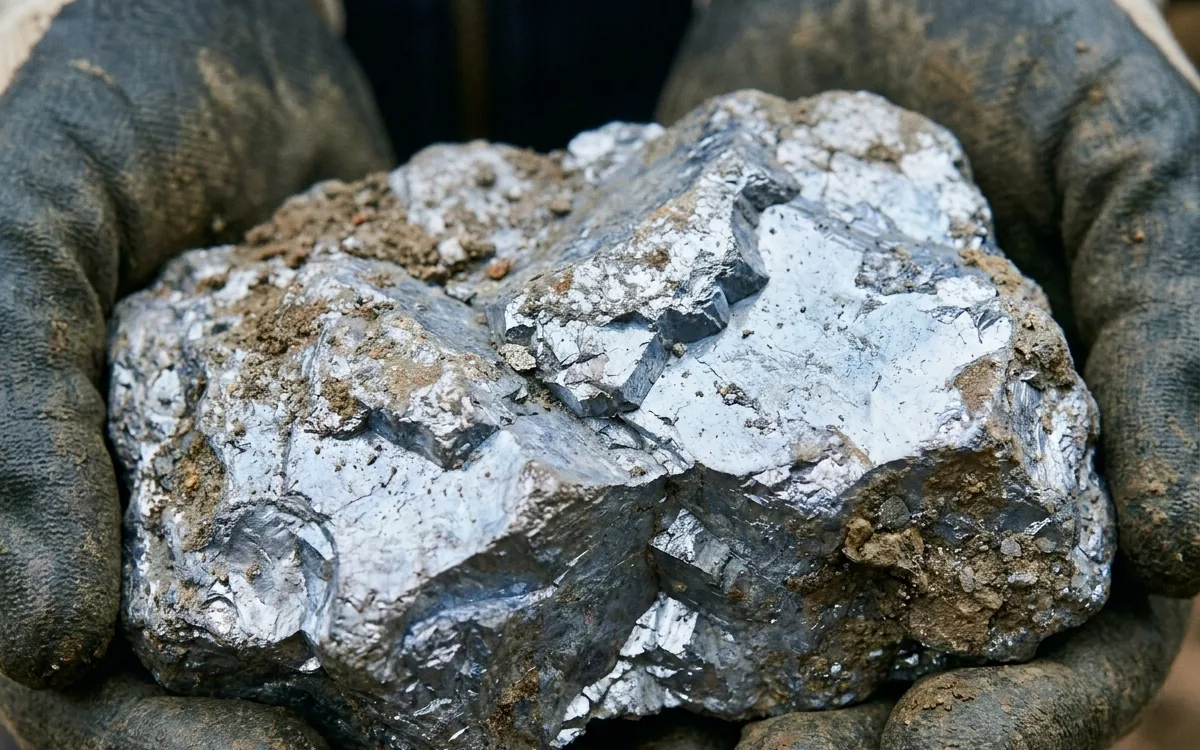
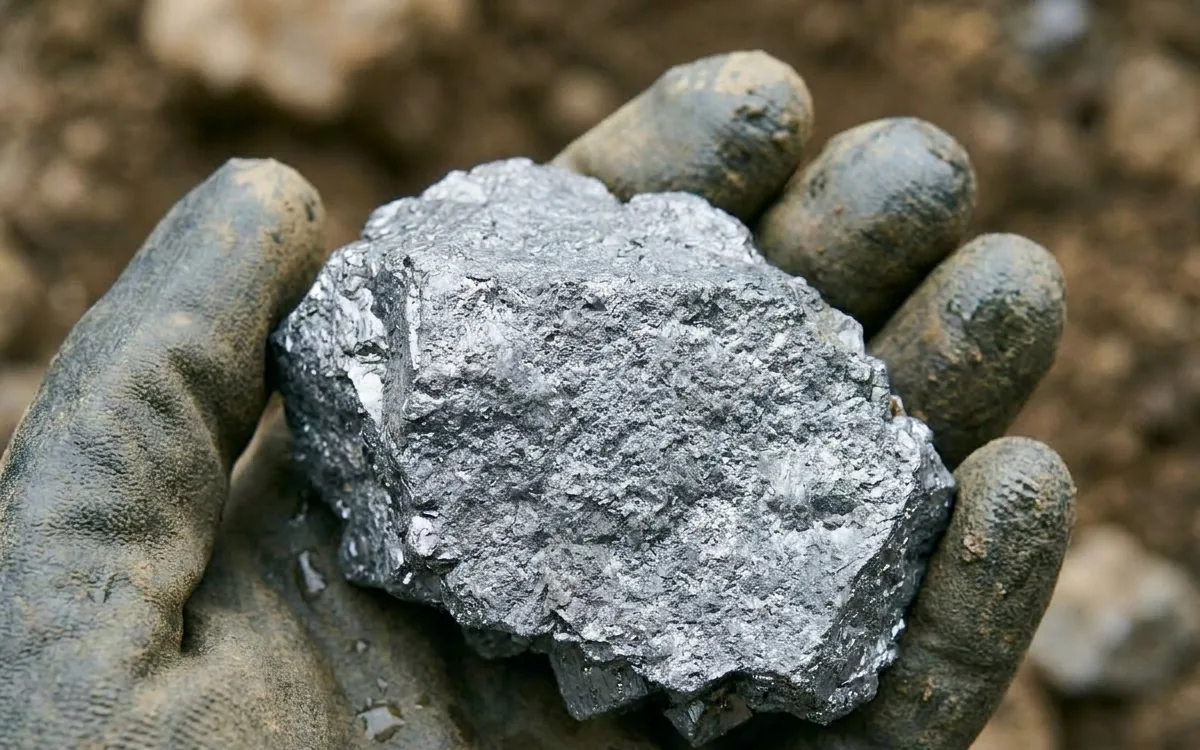
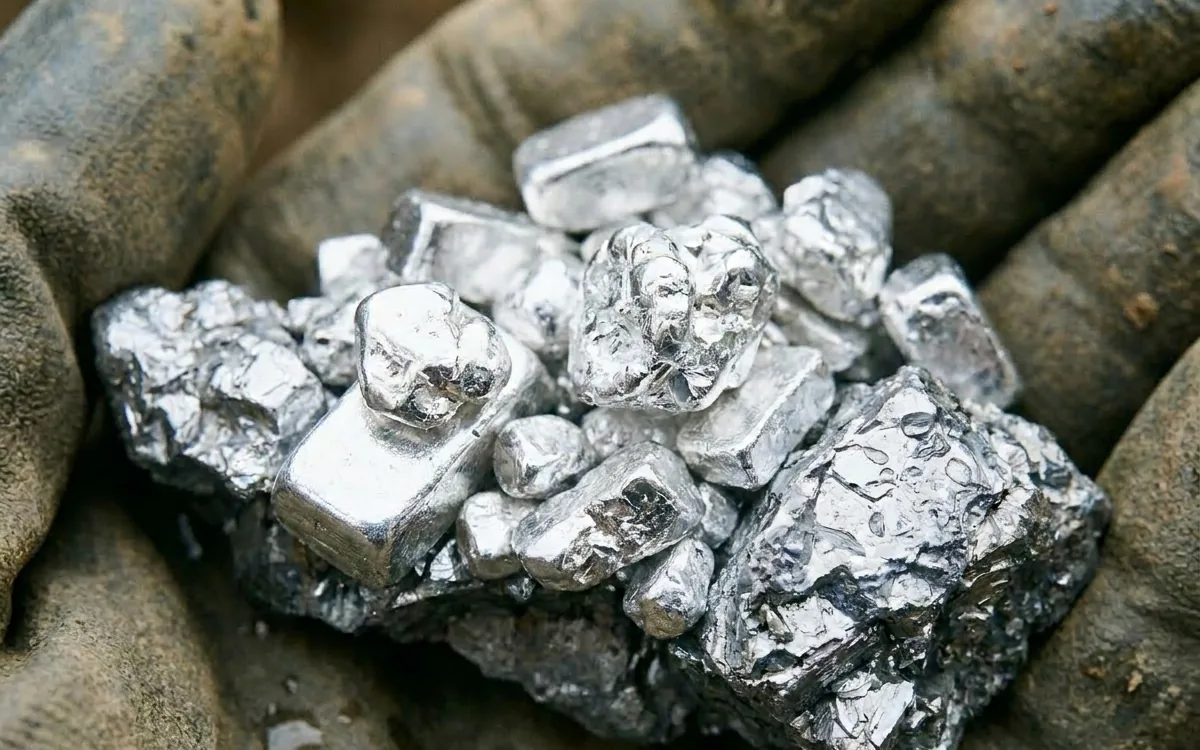
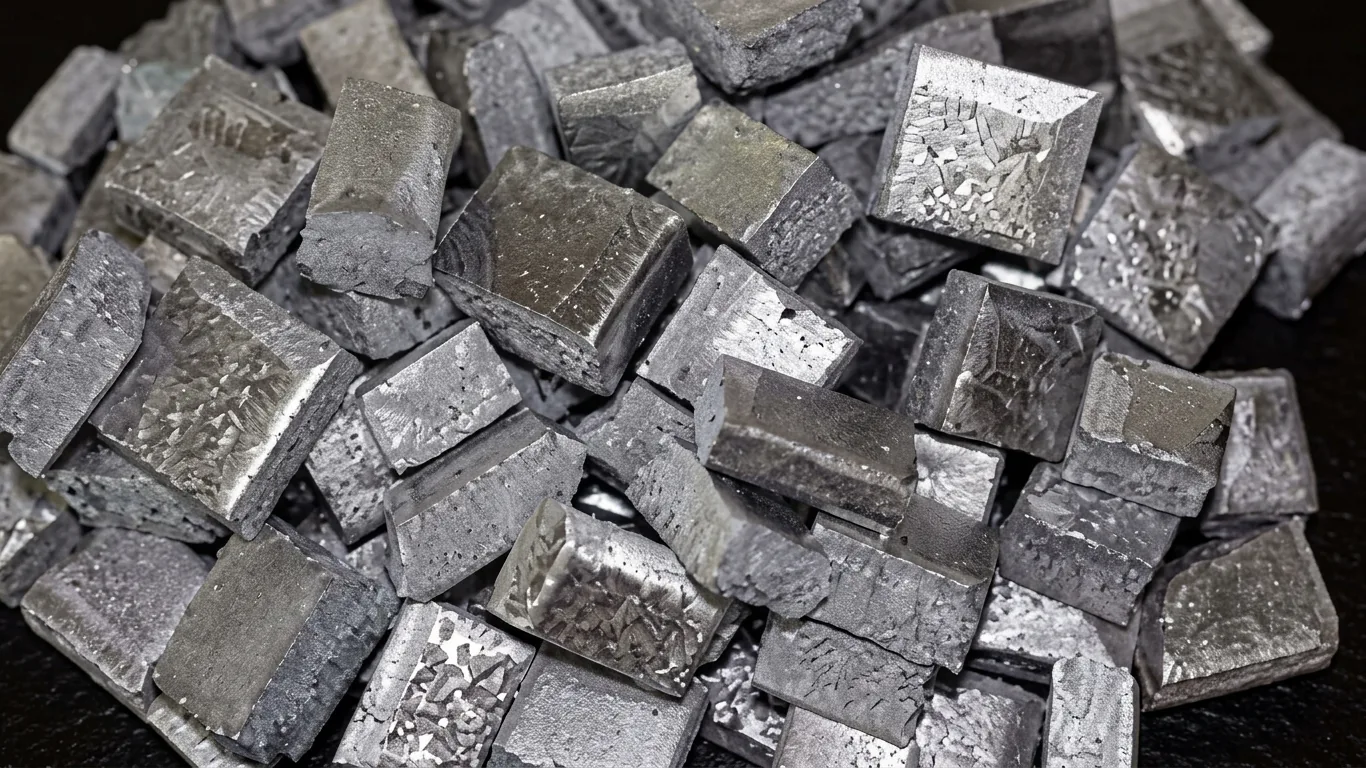
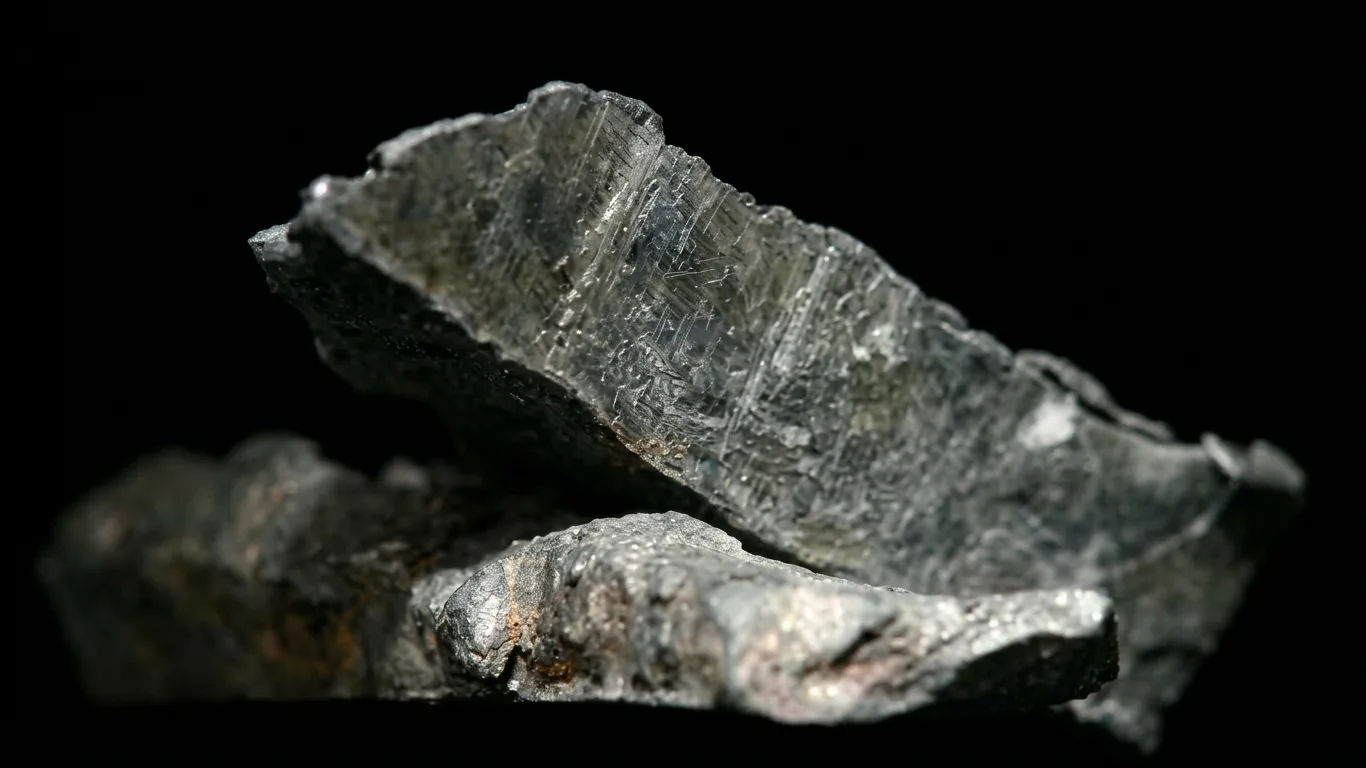
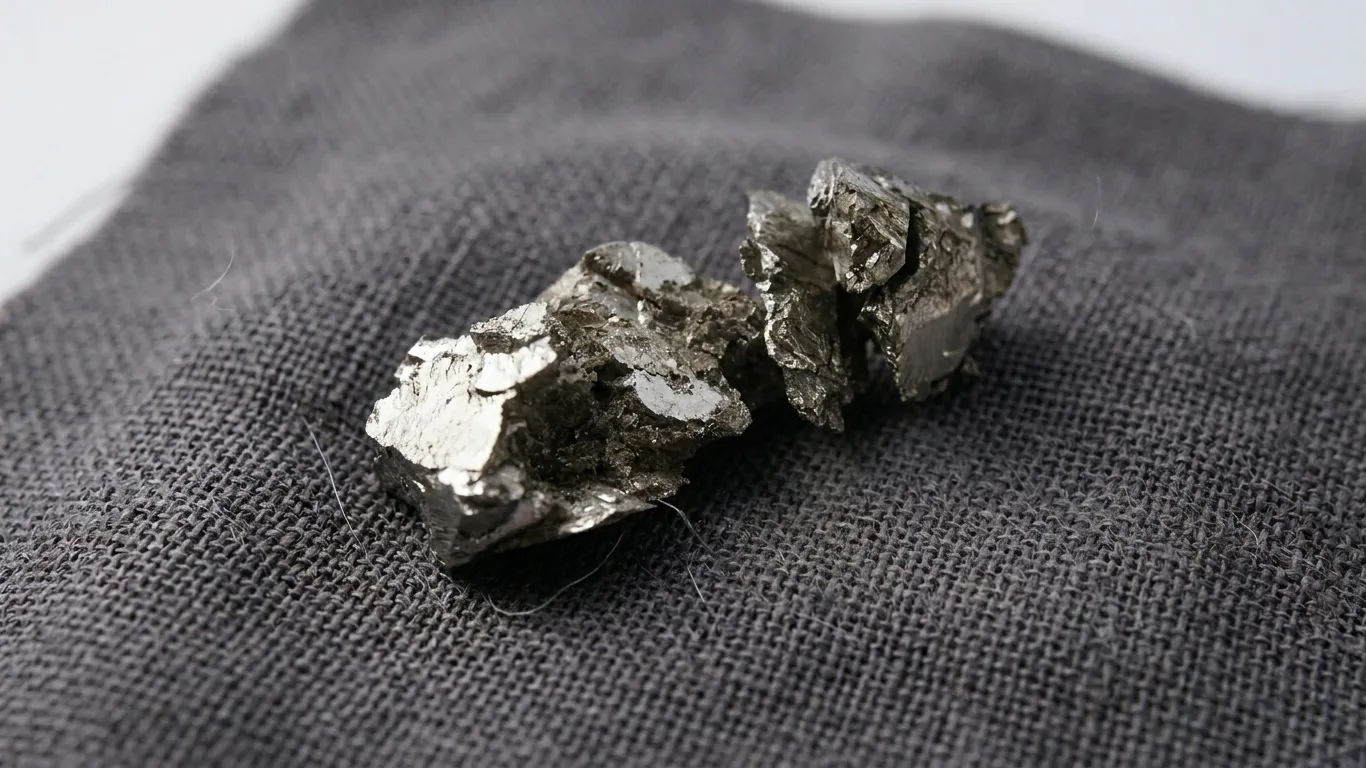
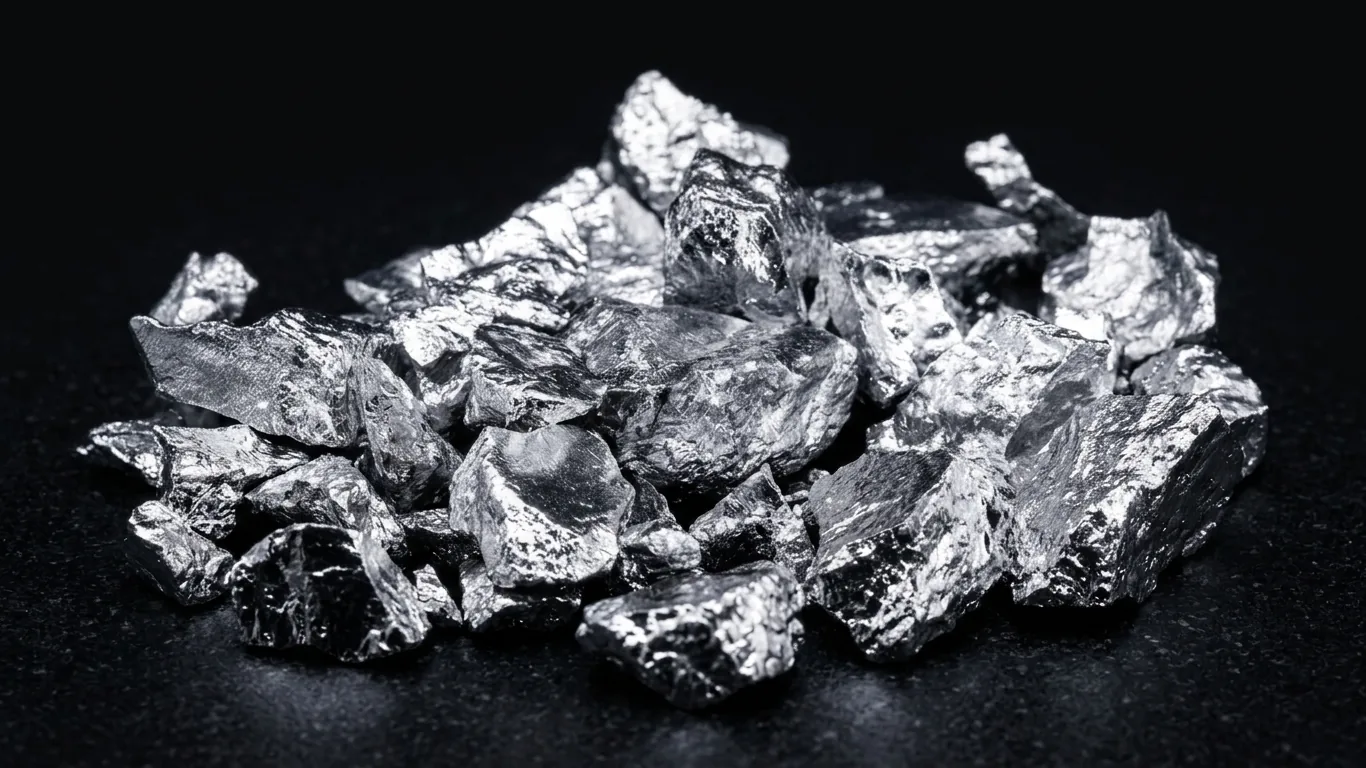
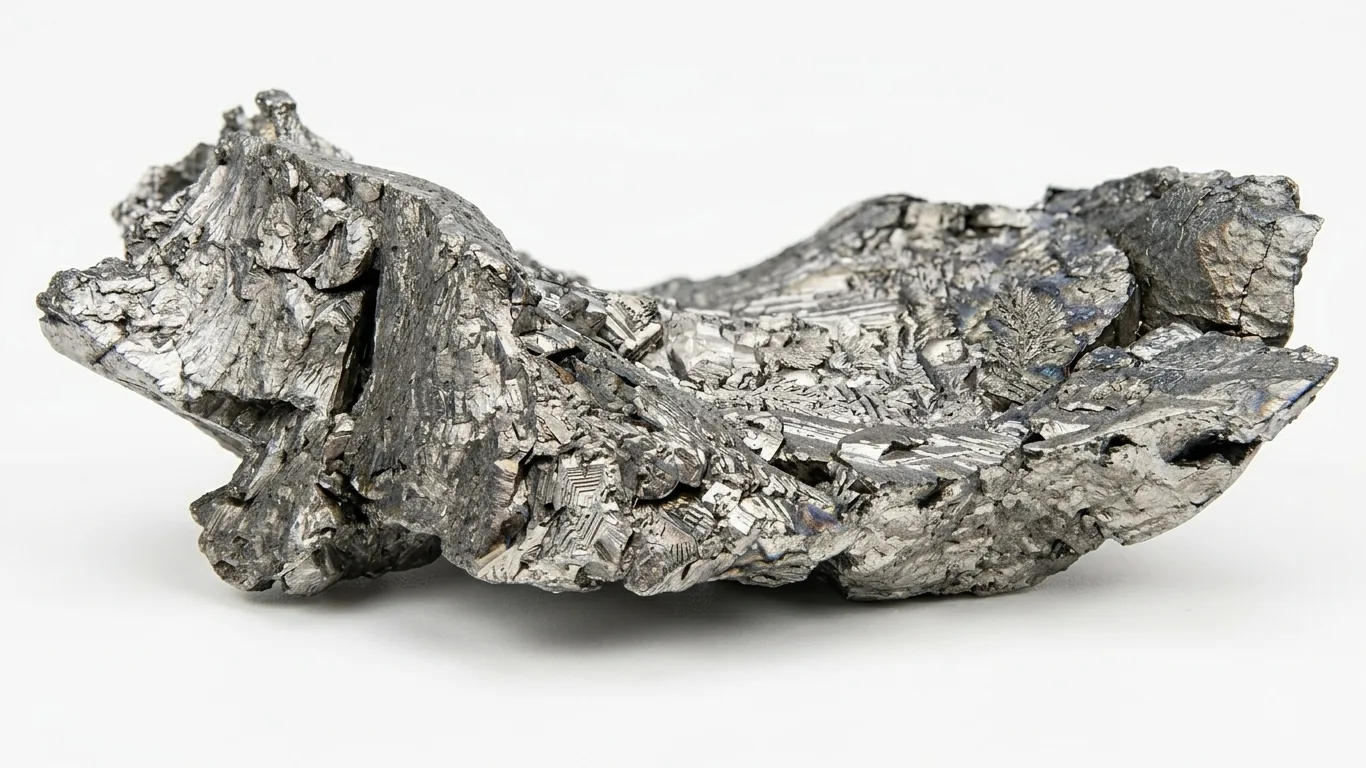
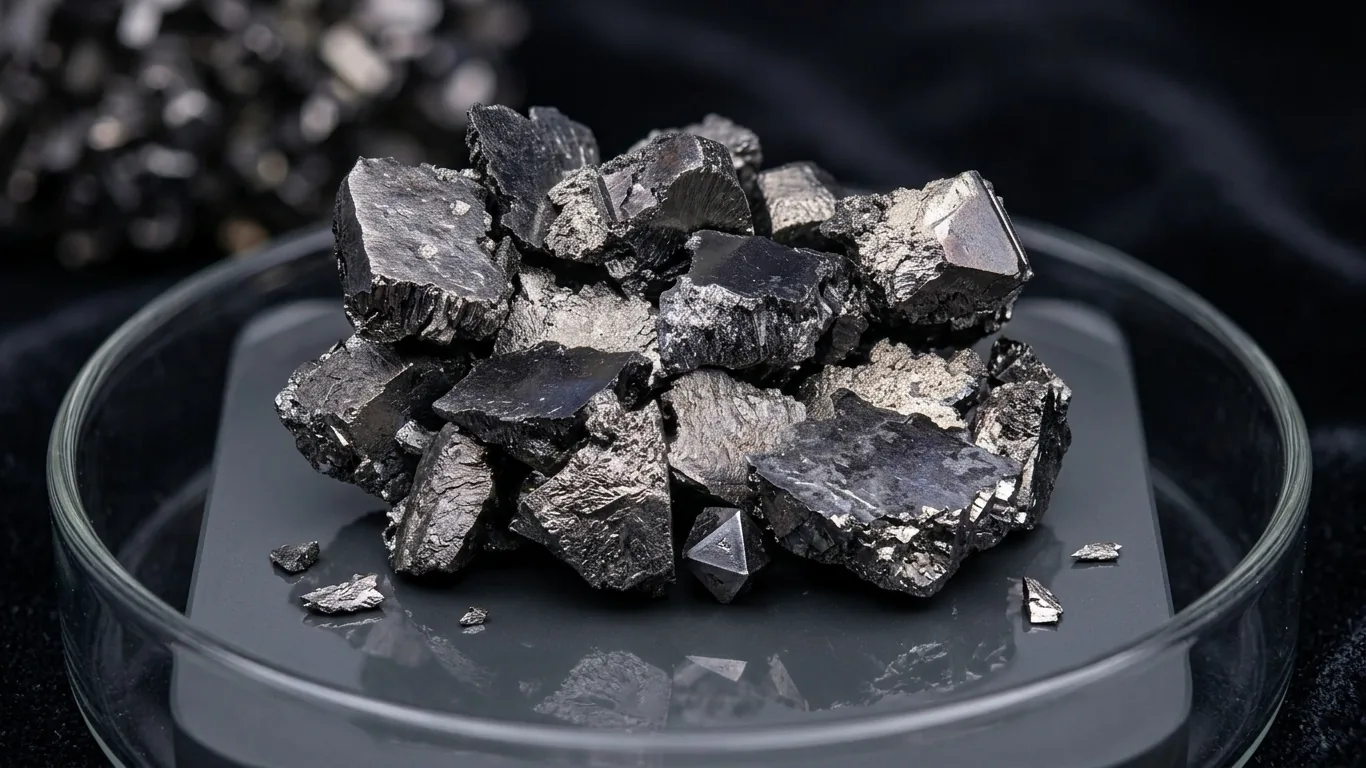
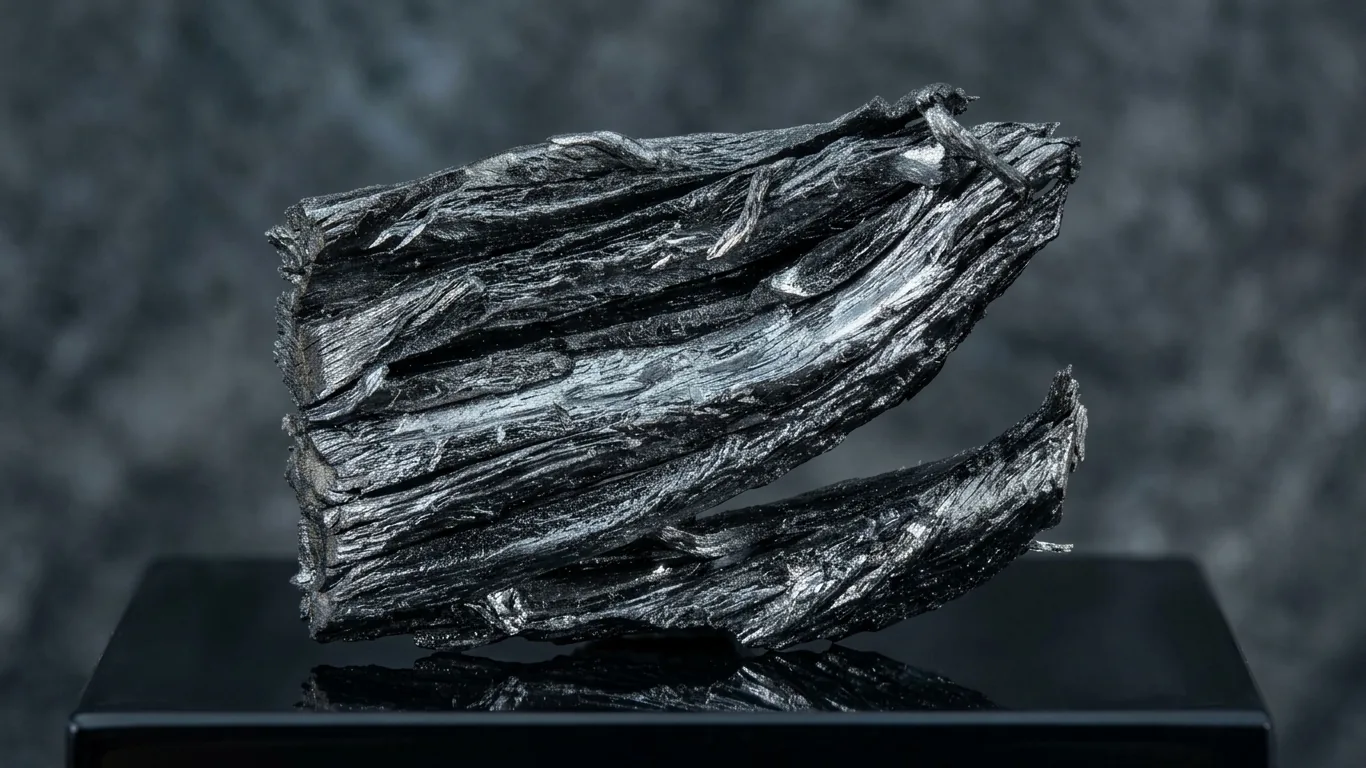
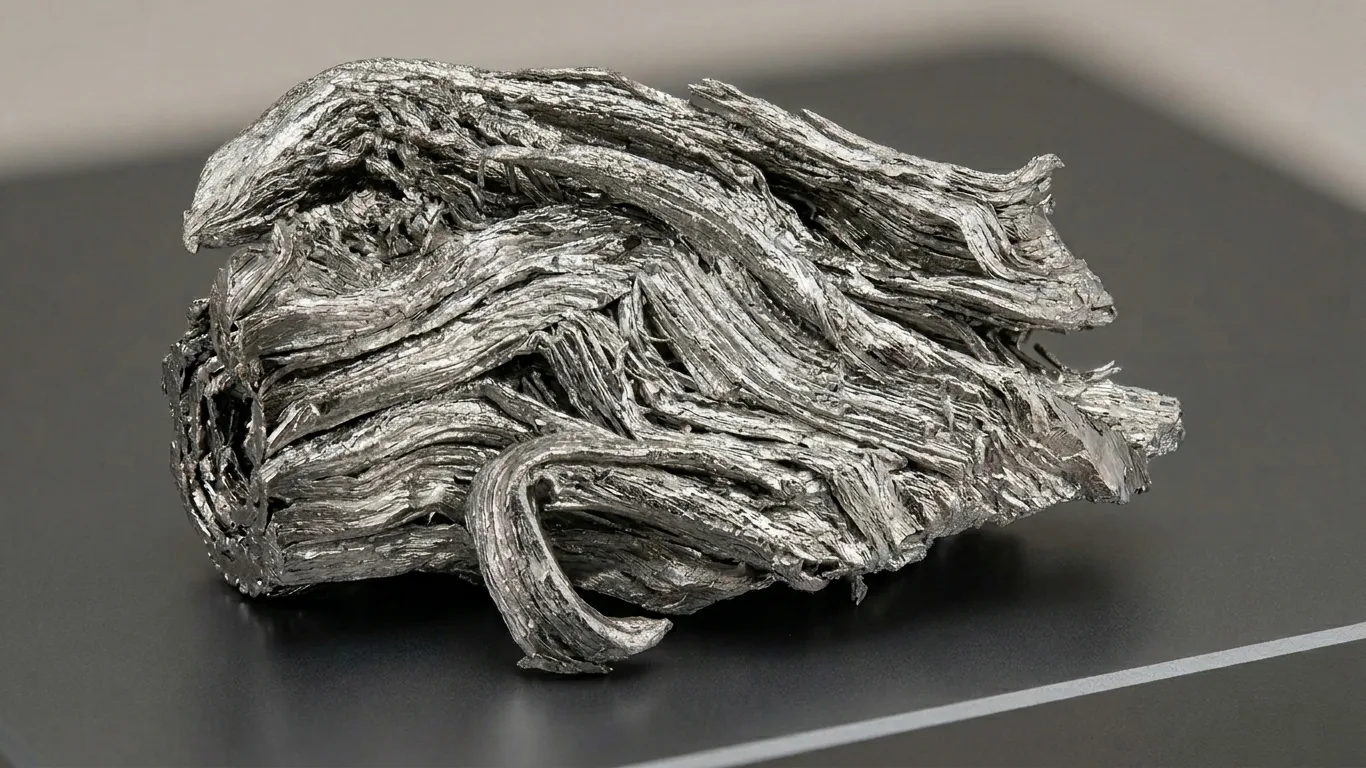
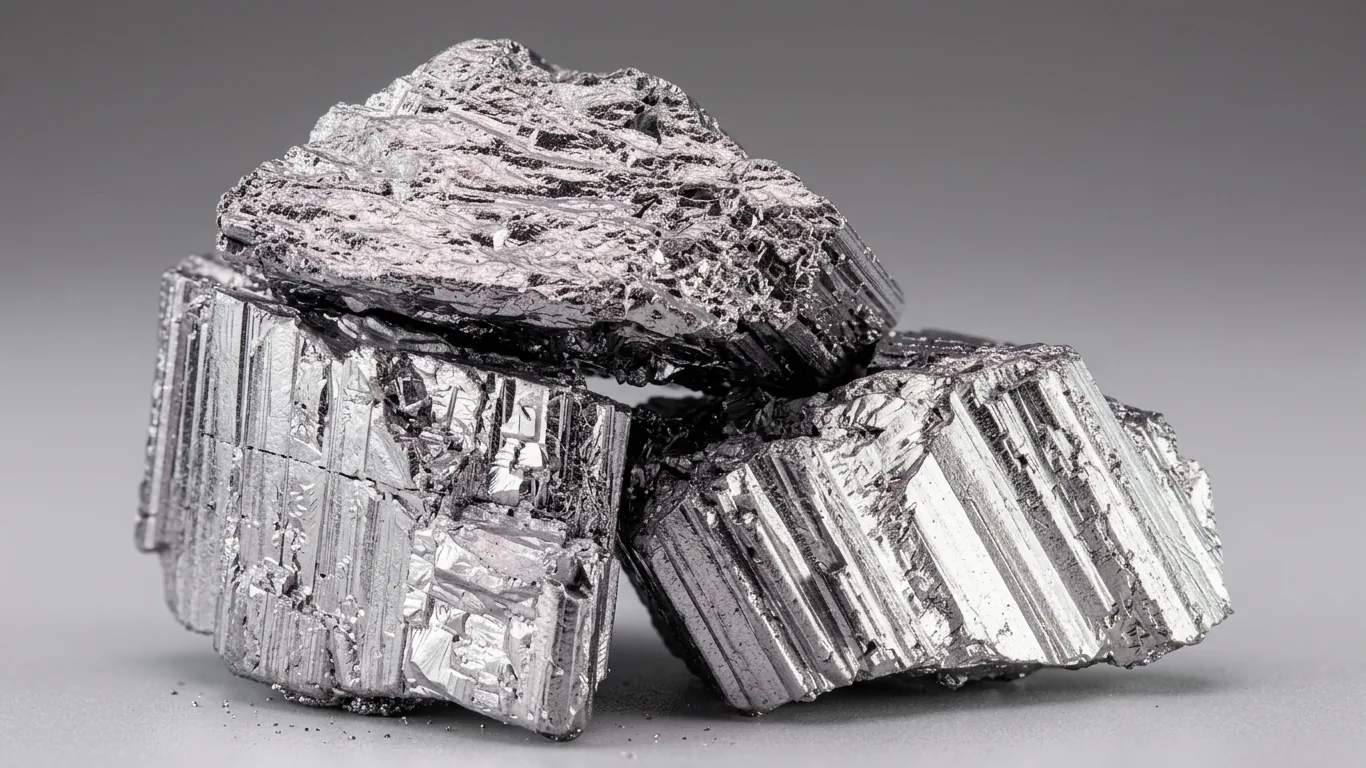
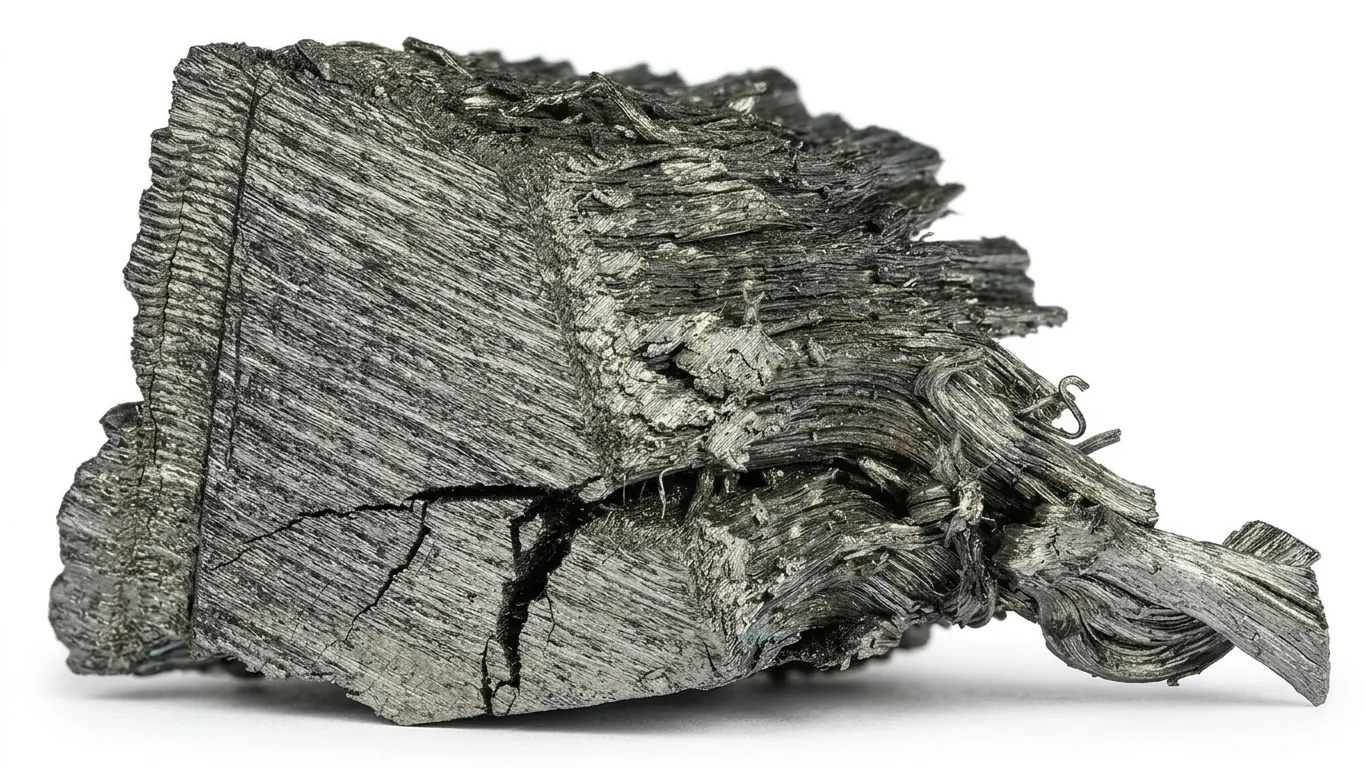
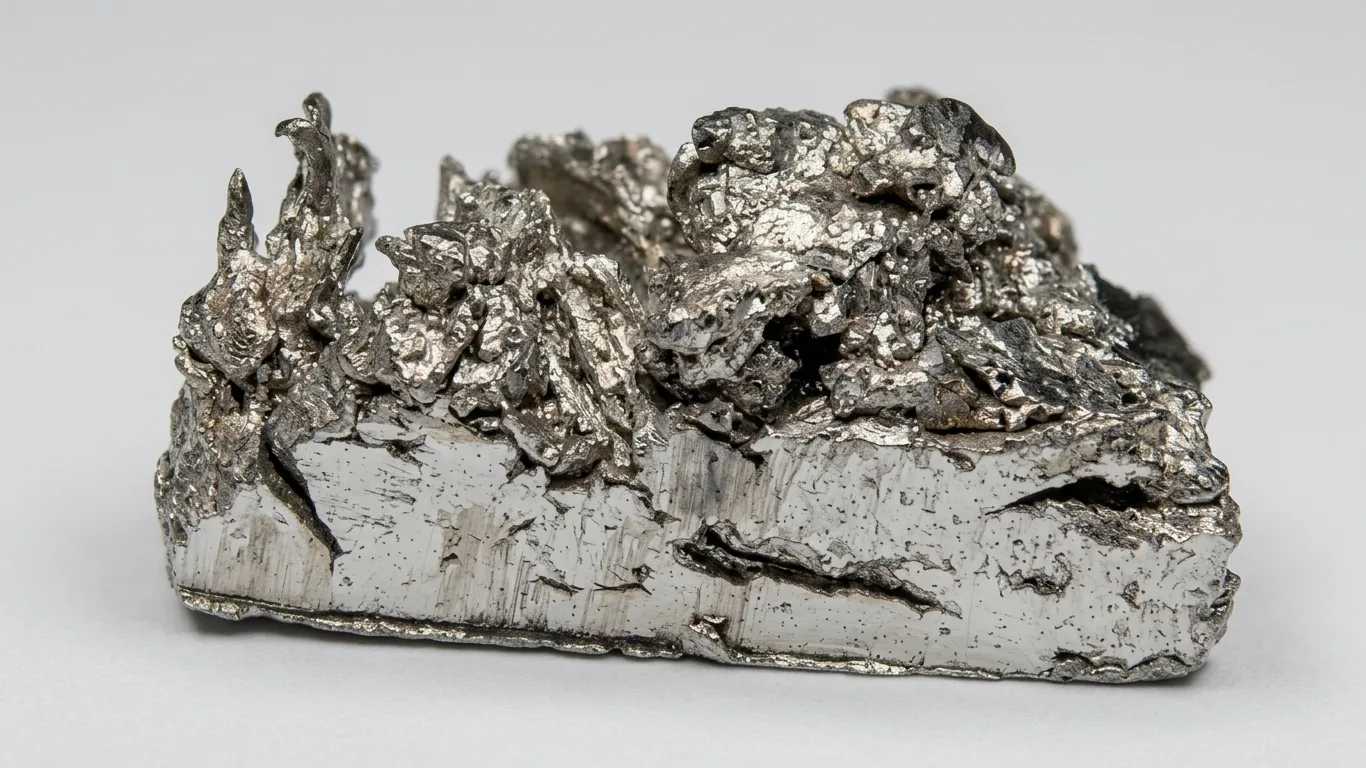
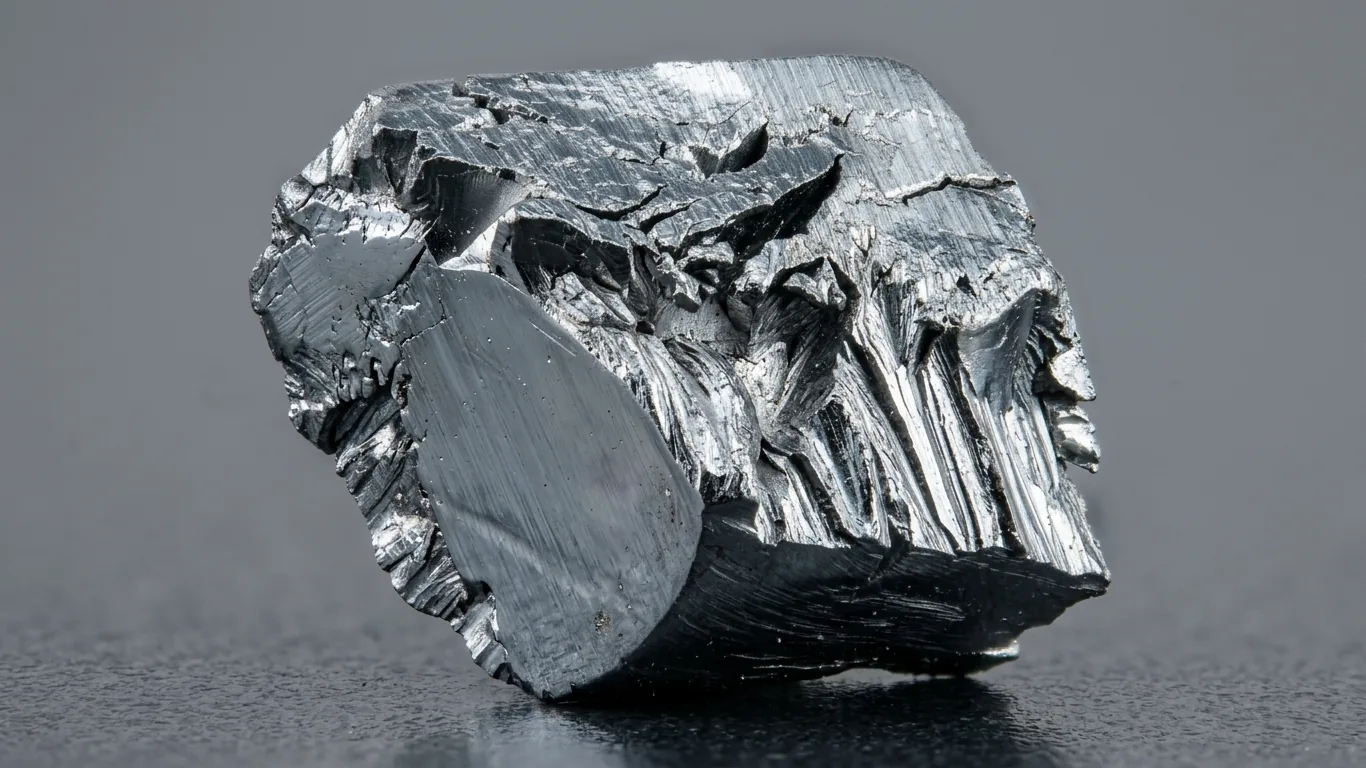
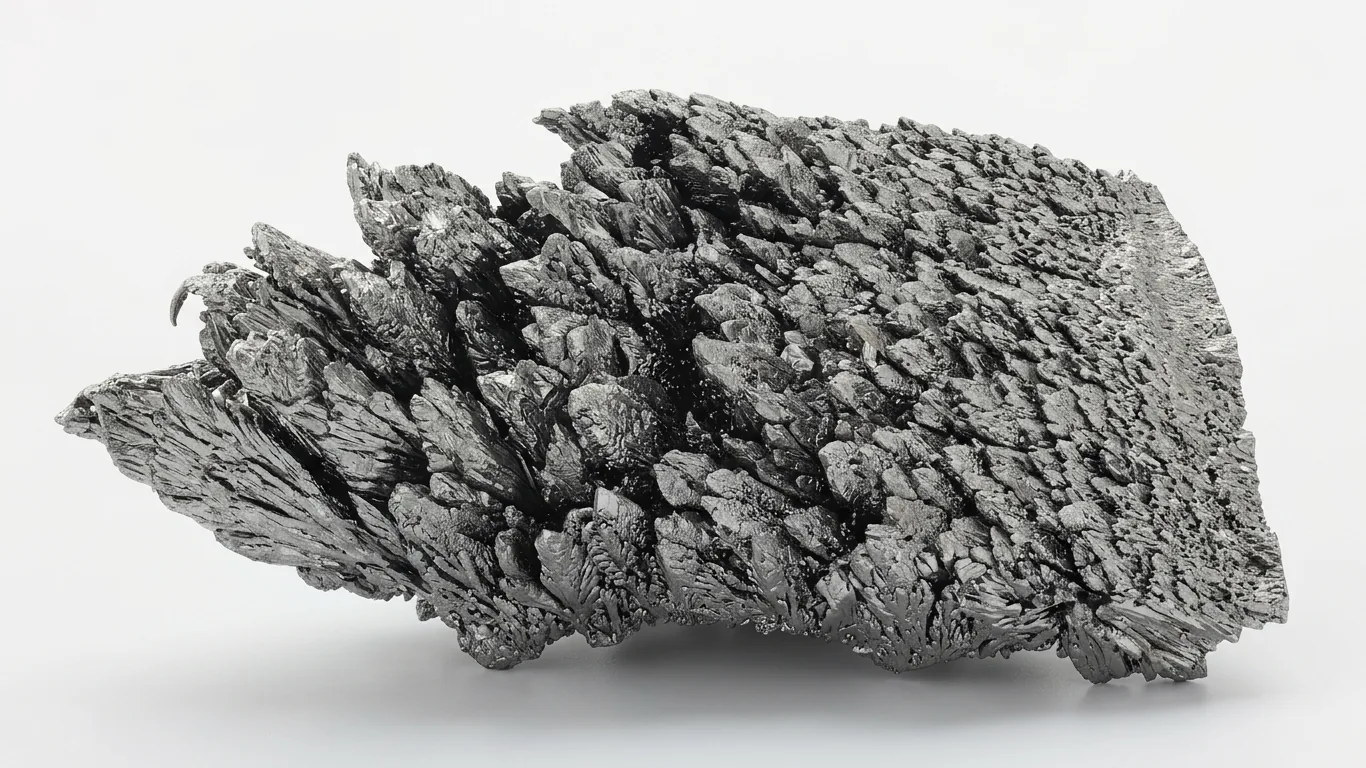
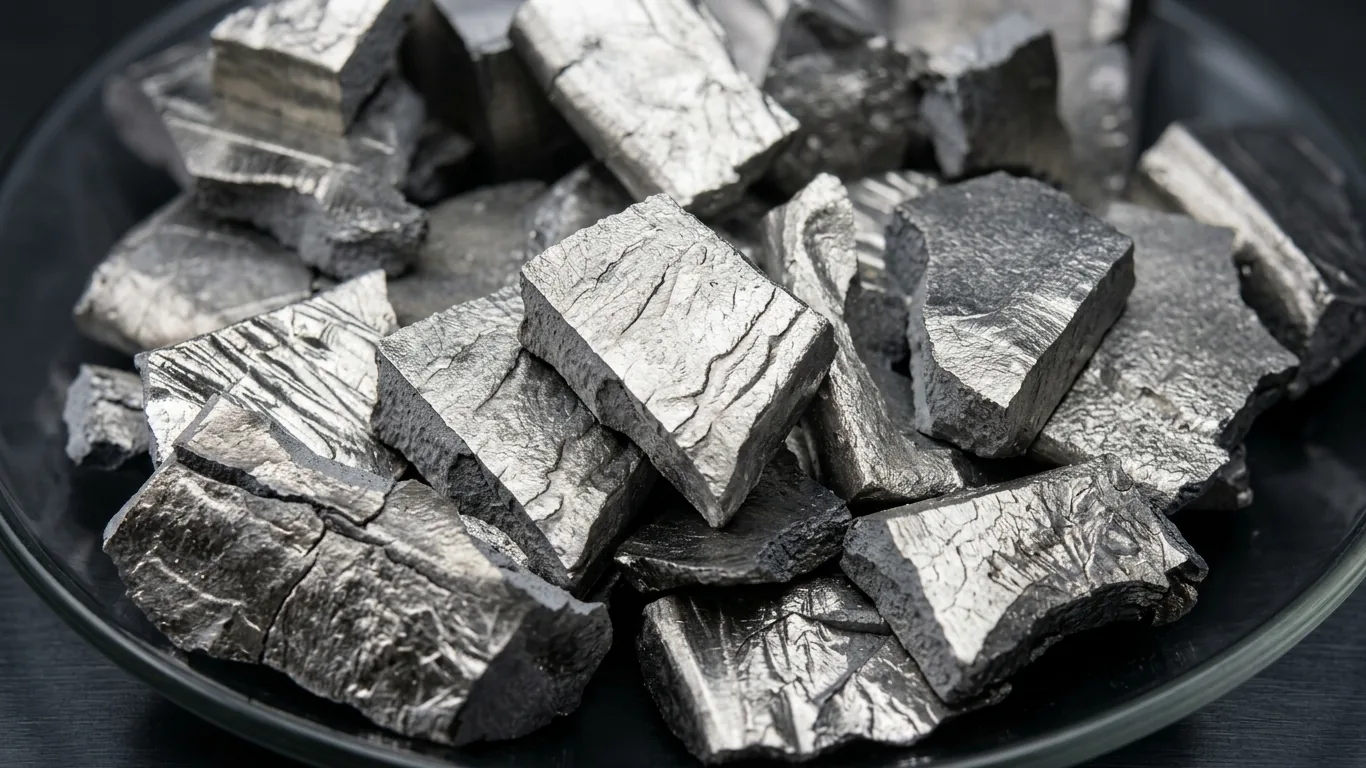
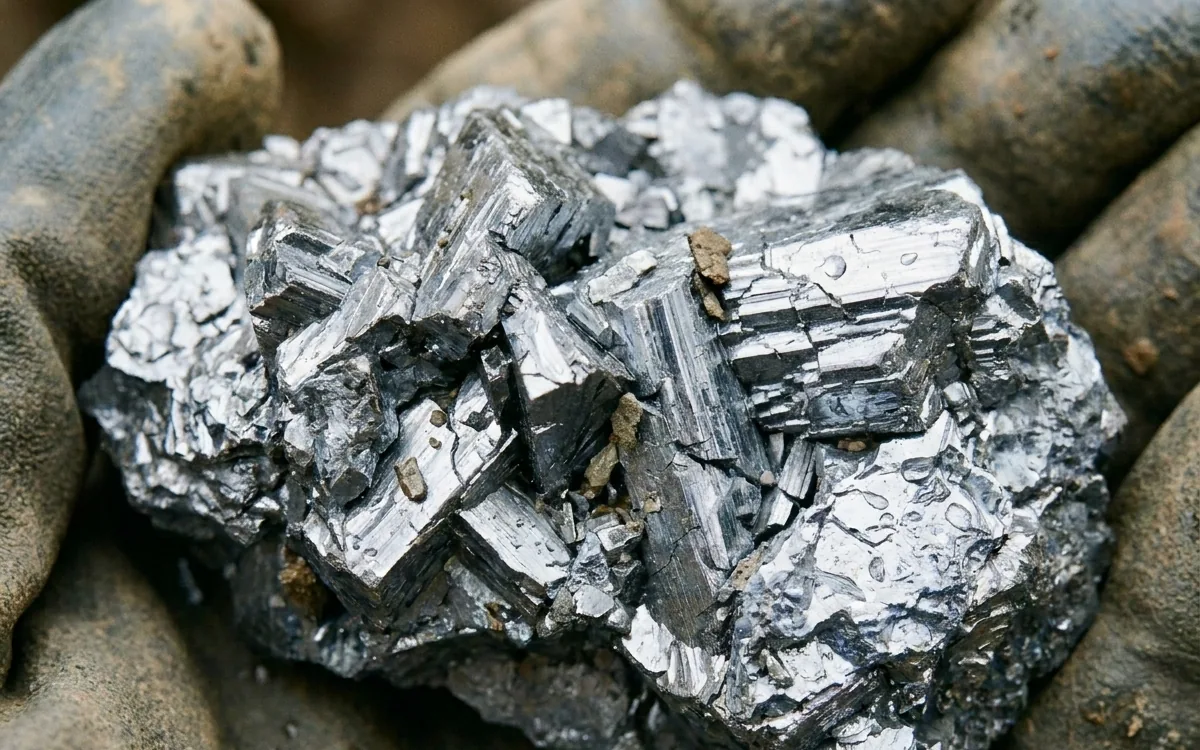
Antimony (chemical symbol Sb, atomic number 51) is a lustrous, silvery-grey metalloid in group 15 of the periodic table. It is brittle rather than malleable and a poor conductor of heat and electricity, sharing properties of both metals and non-metals — the defining trait of a metalloid. In nature it occurs chiefly as the sulphide mineral stibnite, from which the metal and its all-important trioxide are refined.
Although antimony has been used since antiquity, it is now classified as a critical raw material by the European Union, the United States and other industrial economies. Its strategic value rests on two pillars: antimony trioxide is the workhorse synergist in halogenated flame retardants, and the metal itself hardens soft lead alloys. Production is geographically concentrated in a small number of countries, which heightens supply-chain risk for downstream manufacturers.
Demand is broad but specialised, spanning fire-safety chemistry, energy storage, glass and ceramics, and advanced military applications. Because substitution is difficult and recycling streams are limited, antimony has become one of the most closely watched critical minerals for buyers who need security of supply rather than spot-market exposure.
Why it matters
Antimony has moved firmly onto the strategic-minerals agenda because supply is concentrated in a handful of producing nations while demand spans fire safety, energy storage and defence — sectors that cannot easily switch to alternatives. Flame-retardant regulation keeps baseline consumption robust, and emerging interest in liquid-metal and grid-scale battery chemistries adds a potential growth vector. With export controls, limited recyclability and few economic substitutes tightening the market, secure primary supply from diversified extraction has become a priority for manufacturers and investors alike.
Key applications
- Flame retardantsAntimony trioxide acts as a synergist in halogenated flame retardants for plastics, textiles, cabling and electronics housings.
- Lead-acid batteriesAntimony hardens the lead grids in automotive and stationary lead-acid batteries, improving strength and durability.
- Defence and munitionsHardened lead-antimony alloys and antimony-based primer compounds are used in ammunition and other military applications.
- Glass and ceramicsAntimony oxides serve as fining agents and decolourisers in glassmaking and as opacifiers in enamels and ceramics.
- Lead alloys and soldersAdding antimony to lead, tin and pewter alloys raises hardness for bearings, sheathing, type metal and specialist solders.
- Semiconductors and opticsHigh-purity antimony dopes semiconductors and forms infrared-optical compounds such as indium and gallium antimonide.
Frequently asked questions
- What is antimony used for?
- Its largest use is as antimony trioxide in flame retardants for plastics and textiles, followed by hardening alloys in lead-acid batteries, plus applications in glass, ceramics, munitions and semiconductors.
- Why is antimony a critical mineral?
- Supply is concentrated in very few countries, substitutes are limited and recycling is minimal, yet it is essential to fire safety, energy storage and defence — so major economies list it as critical.
- What ore does antimony come from?
- Antimony is extracted mainly from stibnite, a naturally occurring antimony sulphide mineral, which is roasted and refined into the metal and into antimony trioxide.